Stripe, PayPal or Adyen: How to Choose a Payment Provider for Your Online Store
Payments are where online sales are won or lost. What to compare when choosing between Stripe, PayPal, Adyen and local payment methods for stores selling in Europe and the US.
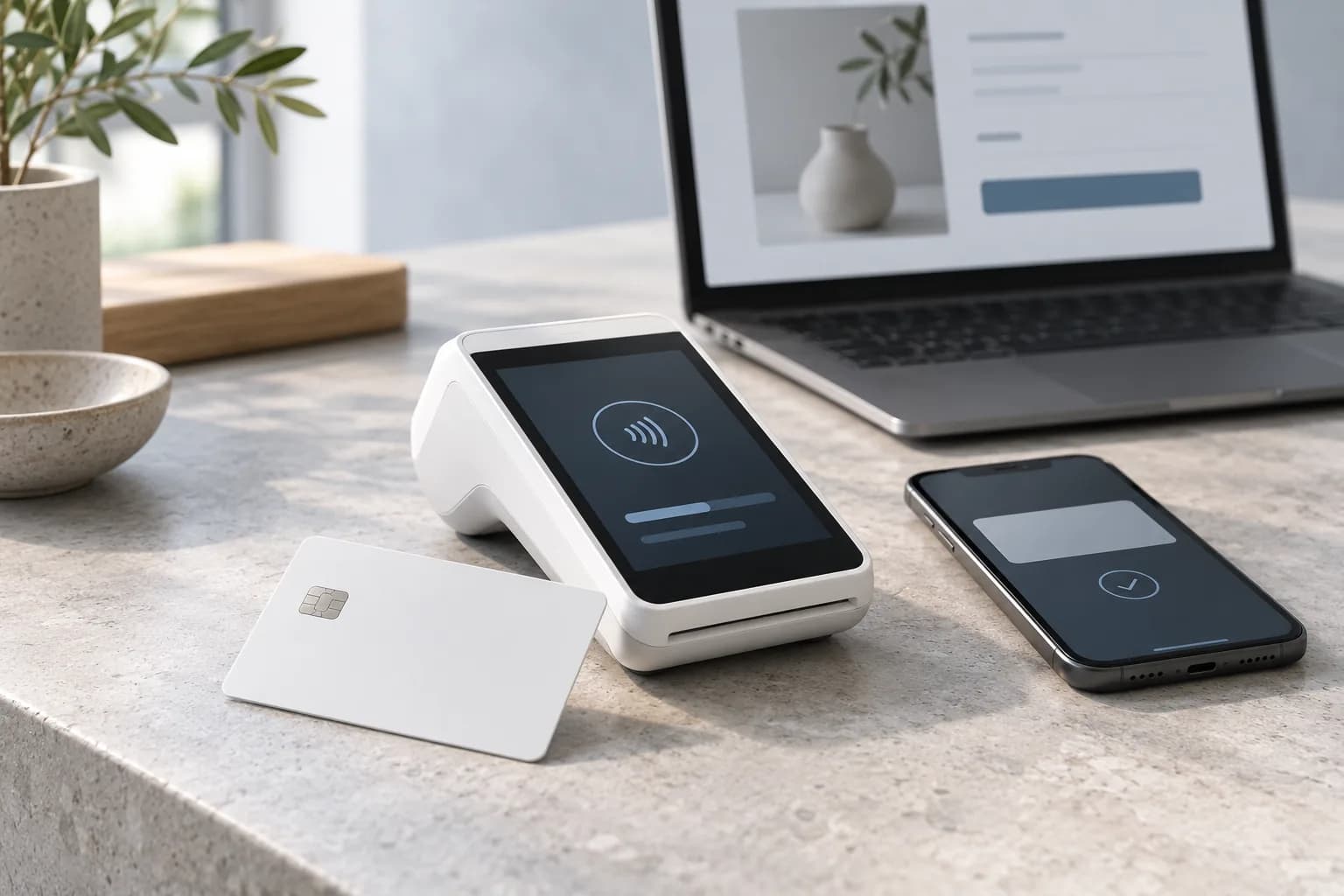
A customer who has already filled the cart can still leave at the last step if their preferred payment method is missing or the checkout feels unsafe. Choosing a payment provider is not just a technical detail: it directly affects conversion, international sales and how much manual work your team does after each order.
01The main options in short
- Stripe. A developer-friendly platform with a wide range of payment methods, subscriptions and strong APIs. Popular with growing online businesses in Europe and the US.
- PayPal. A widely recognised wallet that many buyers trust, especially for first purchases from an unfamiliar store.
- Adyen. An enterprise-level platform often chosen by larger merchants with high volumes and many markets.
- Local methods. Bank links, local cards and wallets that customers in specific countries expect to see at checkout.
In practice, many stores combine several of these: a main provider for cards and wallets plus the local methods their customers prefer. The technical side of this is part of our online store development work.
02What to compare
Criteria for choosing a payment provider
| Criterion | Why it matters |
|---|---|
| Supported countries and currencies | Determines where you can sell and how prices are shown |
| Payment methods | Cards, wallets, bank transfers, buy now pay later, local methods |
| Fee structure | Transaction, currency conversion and payout fees vary by provider |
| Payout speed | Affects cash flow, especially for growing businesses |
| Subscriptions and invoicing | Important for SaaS, memberships and B2B |
| Fraud protection | Reduces chargebacks and manual reviews |
| API and integrations | Decides how easily payments connect to your store, ERP and accounting |
03Security and compliance
In the European Economic Area, online card payments generally require Strong Customer Authentication (SCA), usually through 3-D Secure. Modern providers handle this flow for you, and hosted payment fields keep card data off your servers, which simplifies PCI DSS compliance. Make sure your privacy policy and cookie setup reflect the provider you use — see our GDPR-friendly website development approach.
04Connecting payments to the rest of your business
Payments rarely live alone. Orders need to reach the warehouse, invoices need to be created, and refunds need to be tracked. When payments are connected to your ERP or business system, these steps happen automatically instead of in spreadsheets.
05Checklist before you go live
- Offer the payment methods your target customers actually use
- Test successful, failed and refunded payments end to end
- Check how 3-D Secure looks on mobile devices
- Show prices and currencies clearly before checkout
- Connect payment events to order status and invoicing
- Review your privacy policy and cookie consent for the provider
The best checkout is the one your customers don't notice: familiar, fast and trustworthy.
Planning an online store or improving your checkout? Tell us what you sell and where and we'll suggest the right payment setup.